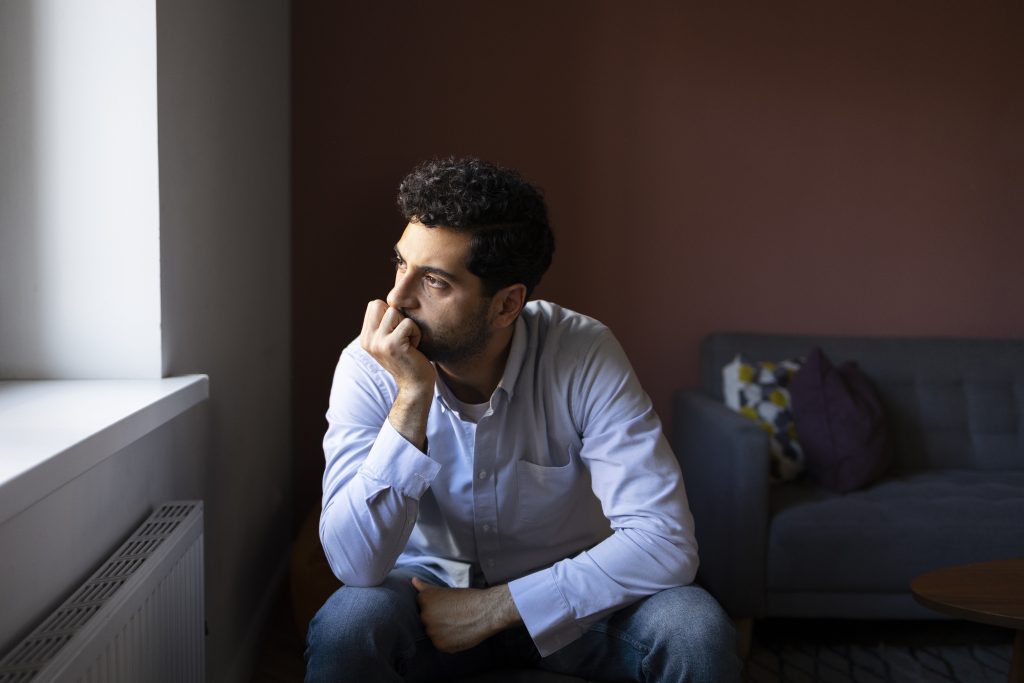

Anxiety is something that everyone deals with. You feel anxious, before a meeting or a test or something big that is going to happen in your life. When you are anxious all the time it can really mess with your thoughts and your feelings and even your physical health. It can also affect the people you care about and your daily routine.
A lot of people do not pay attention to the signs that they’re anxious because they think it is just stress. Over time anxiety can sneak up on you and take over your life before you even realize what is happening.
In this guide we are going to talk about the 10 signs that anxiety is taking over your life. We will explain why these things happen and when you should think about getting help from a professional to deal with your anxiety.
What Is Anxiety?
Anxiety is what your body does when you are stressed or in danger. It helps you get ready to deal with situations.
Anxiety is not good when it:
- Lasts for a very long time like weeks or months
- Feels like it is too much to handle
- Happens for no reason all
- Gets in the way of your job, school or time with friends and family
- Stops you from doing things you like to do every day
If you notice anxiety symptoms early it can be easier to make them go away with treatment. Anxiety is something that can be treated and recognizing anxiety symptoms is a part of that. Anxiety symptoms can be different, for people but it is important to pay attention to your body and how you are feeling, especially when it comes to anxiety.
1. You Constantly Worry About Everything
One of the biggest signs of anxiety is excessive worrying.
Instead of worrying about one issue, your mind jumps from one concern to another.
You may worry about:
- Money
- Health
- Family
- Work
- Future events
- Small everyday decisions
Even after solving one problem, another worry quickly replaces it.
2. Your Mind Never Stops Racing
People with anxiety often describe their thoughts as running nonstop.
Your brain may constantly replay:
- Past conversations
- Mistakes
- Worst-case scenarios
- Future problems
- “What if” situations
This mental overload makes it difficult to relax or stay focused.
3. You Avoid Situations That Make You Nervous
Avoidance is a common coping strategy for anxiety.
You may start avoiding:
- Social gatherings
- Public speaking
- Phone calls
- Driving
- Shopping
- Crowded places
- New experiences
Although avoidance brings temporary relief, it often makes anxiety stronger over time.
4. Physical Symptoms Are Becoming Common
Anxiety affects both the mind and body.
Common physical symptoms include:
- Fast heartbeat
- Chest tightness
- Sweating
- Muscle tension
- Headaches
- Stomach discomfort
- Dizziness
- Shortness of breath
- Trembling
Many people first visit a doctor because they believe they have a physical illness before realizing anxiety is the cause.
5. You Have Trouble Sleeping
Poor sleep and anxiety often create a cycle.
You may:
- Struggle to fall asleep
- Wake up frequently
- Feel restless all night
- Wake up feeling tired
- Experience racing thoughts before bed
Lack of sleep can increase anxiety the following day.
6. You Find It Hard to Concentrate
Anxiety consumes mental energy.
You may notice:
- Difficulty focusing
- Forgetfulness
- Trouble finishing tasks
- Poor productivity
- Difficulty making decisions
Many people describe it as feeling mentally exhausted all day.
7. Small Problems Feel Like Major Crises
We all have days. Sometimes anxiety can make us feel really upset about small things.
For example:
- Getting an email from your boss
- Making a mistake
- Waiting to hear how you did on a test
- Being a minutes late
- Getting a phone call, from a number you do not know
Your brain immediately expects the worst possible outcome.
8. You Feel Irritable More Often
Lots of people think anxiety is about being scared but feeling annoyed is really common too. When you are stressed all the time your nervous system is always ready to go. This means you might get:
- Easily frustrated
- Short-tempered
- Emotionally overwhelmed
- Sensitive to criticism
Anxiety is a problem, can make you feel this way. It can cause trouble with the people you care about, like your family, your friends and the people you work with.
9. You Experience Panic or Sudden Intense Fear
People can get panic attacks. When this happens they might have some symptoms.
These symptoms may include:
- Rapid heartbeat
- Difficulty breathing
- Chest pain
- Feeling dizzy
- Shaking
- Sweating
- Fear of losing control
- Feeling detached from reality
Panic attacks are very frightening. Panic attacks can be treated with the right kind of support.
10. Anxiety Is Affecting Your Daily Life
The clearest sign is when anxiety begins controlling your routine.
You may notice:
- Missing work
- Declining social invitations
- Difficulty maintaining relationships
- Losing confidence
- Avoiding responsibilities
- Constant emotional exhaustion
If anxiety regularly interferes with daily life, it is time to seek professional help.
Why Anxiety Shouldn't Be Ignored
Untreated anxiety can affect many areas of life.
It may contribute to:
- Depression
- Burnout
- Relationship difficulties
- Reduced work performance
- Sleep disorders
- Lower quality of life
The good news is that anxiety is highly treatable.
How Anxiety Can Be Managed
Treatment is different, for each person. Some people get better when they try a things together.
There are some things that people find helpful. These include:
- Behavioural Therapy which is also known as CBT
- Doing mindfulness practices
- Using relaxation techniques
- Doing exercise
- Having sleep habits
- Eating nutrition
- Stress management
- Medication when recommended by a healthcare provider
A licensed mental health professional can create a treatment plan that fits your needs.
When Should You Seek Professional Help?
If you are dealing with anxiety you should think about talking to a therapist when:
- Anxiety lasts for weeks.
- It starts to affect your work or school.
- You avoid normal daily activities.
- Your relationships are suffering.
- You have panic attacks.
- The things you do to help yourself are not working anymore.
Getting help on is a good idea because it can make things better and stop anxiety from getting worse. Anxiety can be really tough to deal with so getting support, for anxiety is important.
Frequently Asked Questions (FAQs)
What are the first warning signs of anxiety?
Early signs often include constant worrying, trouble sleeping, racing thoughts, muscle tension, irritability, and difficulty concentrating.
Can anxiety cause physical symptoms?
Yes. Anxiety can lead to headaches, stomach problems, rapid heartbeat, dizziness, sweating, chest tightness, and muscle tension.
Can anxiety go away on its own?
Mild anxiety may improve after stressful situations pass. However, persistent anxiety often benefits from professional treatment and healthy coping strategies.
What is the difference between stress and anxiety?
Stress usually has a specific cause and often improves once the situation changes. Anxiety can continue even when there is no immediate threat.
Is therapy effective for anxiety?
Yes. Evidence-based therapies, especially Cognitive Behavioural Therapy (CBT), are highly effective for many anxiety disorders and can help people develop healthier ways to manage anxious thoughts and behaviors.