Managing Workplace Burnout in 2026

Managing-Workplace-Burnout-in-2026

Why Workplace Burnout Is Rising

Workplace burnout is a problem now. It is getting worse in 2026. This is really true, for people who’re part of Gen Z workers, Millennials, and women. Workplace burnout is affecting Gen Z workers, Millennials, and women in a way. Many people work long hours and are always connected to work online. They struggle to disconnect after work. As a result, they get physically, emotionally, and mentally exhausted often.

Remote and hybrid jobs have made it hard to separate work and personal life. Many employees feel tired after weekends or vacations.

Common Causes of Workplace Burnout

Several things can cause burnout at work. Some causes happen more often than others.

Feel like you have no control

When a manager is planning the schedule and or workload of employees, it creates stress for those employees as it puts them in a position where they don’t know how to respond, which causes many employees to be frustrated, feeling hopeless and helpless.

Work-Life Imbalance

Many employees check email after hours and/or on weekends so as to have more opportunity for relaxation and/or spend time with family and/or friends. This results in employees not having the ability to balance both work and home.

Unclear Job Expectations


When job roles are confusing and communication is poor, it creates anxiety, at work. When people have a job, they get really nervous if they do not know what their job is. They worry all the time that they will do something or not meet the targets that their job requires. People who have a job get anxious about these things because they want to do their job. People who have a job like to know what their job expects of them so they can do their job well.

The communication at work can also create a lot of anxiety for employees.

Signs You Should Not Ignore

Burnout affects physical health. Here are some warning signs:

  • Constant tiredness
  • Trouble sleeping
  • Loss of motivation
  • Frequent headaches
  • Feeling drained and down
  • I am having a lot of trouble focusing on things

If I still feel this way, then I should probably go see a doctor about it.

Easy Ways to Stop Burnout

I need to set some limits for myself

I will not look at work emails after I leave the office. The office is where I work. I should not be doing that when I am not there. I should separate my work and personal time.

Taking breaks helps

A short walk outside, during the day, makes me feel better and helps me focus. Just 10 minutes can help clear my head.

Talking to someone helps

When I talk to a therapist, a friend, or a coworker I trust about how I’m feeling, it really makes a difference. helps people recover faster.

Conclusion

Workplace Burnout is more than feeling stressed for a day. Your health, relationships, and confidence can be affected if you do not do something about it.

You can protect your well-being by making changes.

Learning to set boundaries and managing your work-life imbalance, and choosing to seek support will help you build a work-life balance in 2026.

Making these changes to your work life and managing work-life imbalance will make a big difference to your health, relationships, and confidence.

Frequently Asked Questions (FAQ)

1. What is Workplace Burnout?

Workplace Burnout is when you feel really tired and exhausted from work. This happens when you are stressed out from work for a time.

2. Who is most affected by Workplace Burnout?

People in the Workplace Burnout group are often workers like Gen Z workers, Millennials, and women. They get Workplace Burnout because they have too much work and not enough time for themselves.

3. Is therapy helpful for Workplace Burnout?

Yes, therapy can help you deal with Workplace Burnout. You can learn how to handle stress and make your life more balanced with therapy.

4. What can I do to stop feeling tired from my job?

You can try some things to help with Workplace Burnout. You can set boundaries at work, take breaks from your job, talk to people about how you feel, and get help from others. This can help you feel better and stop feeling tired from your job.


Faces of Clinical Depression: How It Shows Up Differently in Men, Women, and Teens

Clinical depression in women
Does depression look the same in everyone?
No, depression does not look the same in everyone. Clinical depression is a real mental health condition, but it shows up in very different ways depending on who you are. Men often feel angry and tired instead of sad. Women tend to cry more and feel hopeless. Teens may act out, skip school, or pull away from friends. These differences matter a lot. When we know the signs, we can get the right depression treatment faster. Early help from depression therapy can change lives. So, learning how depression looks in different people is the first step to healing.

Introduction

Have you ever looked at someone and thought, “They seem totally fine”? Well, here is the truth — depression hides very well. It does not always look like crying in bed all day. Sometimes, it looks like a man who snaps at everyone. At times, it appears like a teen who stops talking to friends. Often, it looks like a woman who smiles outside but feels empty inside.
 
Clinical depression is sneaky. It wears many masks. And because of that, many people miss it — in themselves and in the ones they love. So, let us walk through how depression shows up differently in men, women, and teens.

How Clinical Depression Shows Up in People

Signs of Clinical Depression in Men

Men are often taught to “stay strong.” As a result, they push their pain deep down — and it comes out in other ways.
Common signs of depression in men:
  • Anger and irritability — small things make him very upset
  • Physical pain — headaches, back pain, or stomach problems
  • Risky behaviour — drinking more, taking chances, overworking
  • Isolation — Pulling away from family and friends
Because men show depression differently, they often delay depression treatment until things get very bad. Furthermore, many men feel embarrassed to ask for help. This is why open conversations about mental health matter so much.
clinical depression in men

Signs of Clinical Depression in Women

Women are more likely to be diagnosed with clinical depression than men. However, they do not always recognise it in themselves. Therefore, the signs of depression stay hidden in them, and this affects their personal and professional life.
Common signs of depression in women:
  • Persistent sadness — Women are more likely to feel deep sadness and to cry often
  • Guilt and self-blame — blaming themselves for things outside their control
  • Tiredness — even after a full night of sleep, not waking up energized or feeling exhausted all the time.
  • Anxiety alongside depression — both feelings appear at the same time
  • Hormonal triggers — arising problems connected to periods, pregnancy, or menopause
Additionally, women often put others first and ignore their own pain. Therefore, by the time a woman seeks depression therapy, she has usually been suffering for a long time.
clinical depression in teen

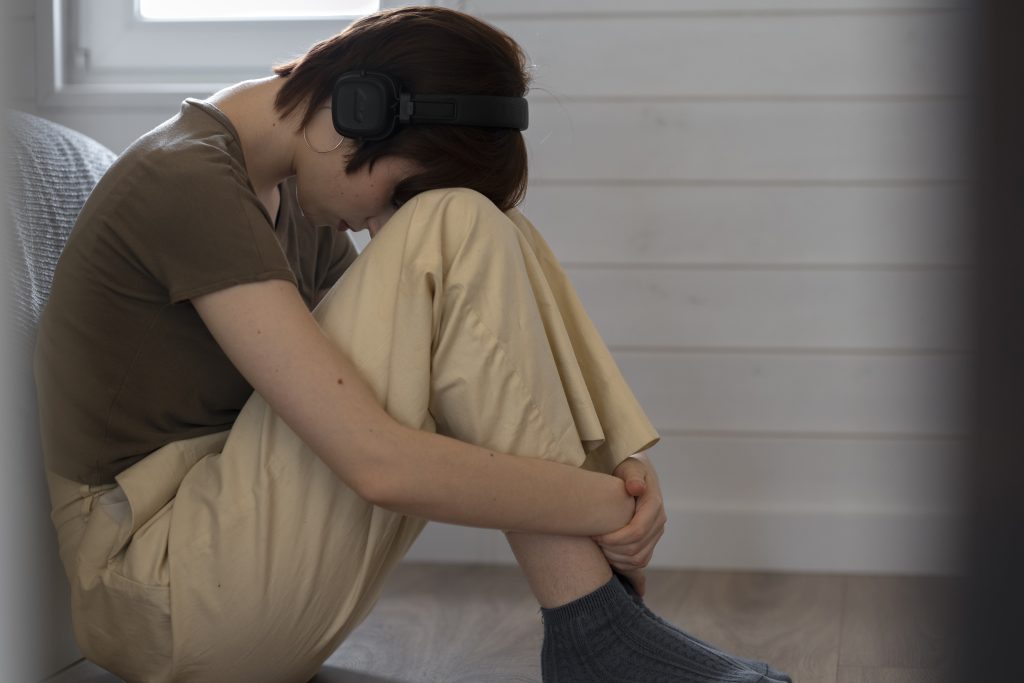
Signs of Clinical Depression in Teens

Teen depression is rising — and it looks very different from adult depression.
Common signs of depression in teens:
  • Isolation — Withdrawing from friends and becoming very quiet
  • Lack of concentration — Drop in school grades and skipping classes
  • Sleep abnormality — Sleeping too much or too little
  • Irritability — seeming angry rather than sad
  • Hopelessness — Saying things like “nothing matters” or “I don’t care”
Without proper treatment, depression can ruin a teen’s whole future. So, parents and teachers must be careful to recognize these warning signs and take appropriate steps.

When Should You Seek Help?

Whenever you feel something is not right, talk to someone. Do not wait until things get really bad and out of control. Depression therapy works best when it starts early. A trained therapist can help you:
  • Understand why you feel the way you do
  • Learn healthy ways to cope with your situation
  • Rebuild your confidence and inner joy
  • Find the right depression treatment plan for you.
Therapy is not a sign of weakness. In fact, it is one of the bravest steps one can take for self-care and personal growth.

Final Thoughts

Depression wears many faces — a sad woman, an angry man, a quiet teen. None of them looks “depressed” on the outside. But all of them deserve help.
Now that you know the signs, you can spot them — in yourself or in someone you love. And when you do, please do not wait. Reach out. Seek depression therapy sooner rather than later. Because healing is possible, and it starts with one small step.