How Mental Health Clinics Support People With Overthinking and Anxiety

mental-health-clinic

Over-analysis is capable of making simple matters appear as if they are really big. For example, one may have fears about the past or fears about the future. Moreover, over-analysis may affect one’s sleep, his or her moods, as well as all other aspects of his or her life. Therefore, the services offered at a mental health clinic are designed to help you understand and manage all these emotions.
With the right guidance, you will feel calm and confident about the little matters of life.

Understand Your Thoughts and Feelings

In the case of overthinking, the person will constantly analyze the same things again and again. This may lead to people getting tired, stressed, or even depressed.
Mental health clinics play an important part as here the people can speak about their emotions to a professional psychologist, who will help to understand why do they feel like that. Furthermore, people will understand how their emotions influence their behavior.

Learn Simple Ways to Manage Anxiety

One of the possible symptoms of anxiety is feeling scared, nervous, and restless. However, there are lots of things that you might try to fight off your concerns.
For instance, your therapist will advise you to engage in deep breathing techniques, step back from everything happening around you, and share your feelings by writing about them. This is to relax and focus on the present moment.
Moreover, due to anxiety therapy, you will know how to deal with your fears.

Build Healthy Thinking Habits

Negative thinking always distorts the magnitude of the problem. Therefore, it becomes important to have the ability of challenging yourself about your negative thinking.
As far as the scenario of a mental health clinic is concerned, you will also learn how to look at the problem from a different angle and how to focus on the things that you can control.

Get Support That Fits Your Needs

Stress is something everyone experiences differently. This is why treatment should suit your needs.
The mental health professional may employ talking therapy or some other form of treatment that suits your condition. Besides, having frequent appointments will enable you to monitor your progress.

Final Thoughts

Excessive worry and anxiety will make life even more difficult for you. However, you do not have to go through this problem on your own. There are institutions such as mental health clinics that are able to provide aid in the form of counseling and skill acquisition where individuals can share their experiences freely. Through effective anxiety treatment, one will have psychological well-being.


Frequently Asked Questions

Yes. A therapist can help you understand repeated thoughts and practise healthier ways to manage them.
Common signs include constant worry, restlessness, trouble sleeping, and difficulty focusing.
Anxiety treatment may include talk therapy, coping skills, and other care based on your needs.
Therapy can help you notice negative thoughts and learn to respond to them in healthier ways.
You may discuss your concerns, feelings, goals, and the type of support that may help you.

How CBT Therapy in Thornhill Helps Break the Cycle of Overthinking and Anxiety

CBT Therapy in Thornhill for Anxiety
Overthinking can make small problems feel big. You may worry about the future, repeat past mistakes in your mind, or fear the worst. As a result, you may feel tired, stressed, or unable to relax. CBT Therapy in Thornhill can help you understand these thoughts and learn how to manage them in a healthy way.
Cognitive Behavioural Therapy (CBT) helps you notice how your thoughts, feelings, and actions connect. With the right support, you can learn to change unhelpful thought patterns and feel more in control of your daily life.

How Overthinking and Anxiety Affect Your Life

Overthinking often creates a cycle that feels hard to stop. For example, you may worry about a work task. Then, you may think you will fail, even when there is no clear reason to believe it. As a result, you may feel anxious and avoid the task.
Over time, this pattern can affect your sleep, work, relationships, and peace of mind. However, you can learn to respond to these thoughts in a different way.
CBT Therapy in Thornhill for Anxiety

How CBT Therapy in Thornhill Helps

CBT gives you simple tools to understand your thoughts and make better choices. Here is how it can help:
  • Notice negative thoughts: First, you learn to spot thoughts that make you feel worried or afraid.
  • Check the facts: Next, you learn to ask whether your thoughts are true or based on fear.
  • Build healthy habits: Then, you practise small steps that help you face daily challenges.
  • Manage anxious feelings: You can learn useful ways to cope with stress and stay calm.
  • Solve problems: Finally, you learn to focus on what you can change instead of worrying about every possible result.
With regular practice, these skills may help you handle stressful moments with greater confidence.

Simple Ways to Manage Overthinking

Along with therapy, you can try a few small changes in your daily life.
  • Write down your worries and look at them one by one.
  • Take slow, gentle breaths when you feel stressed.
  • Focus on one task instead of trying to solve everything at once.
  • Set aside time for rest, sleep, and activities you enjoy.
  • Talk to someone you trust when your worries feel too heavy.
Although these steps may help, you do not have to manage everything alone.

Find Support Through CBT Therapy in Thornhill

If overthinking and anxiety affect your daily life, professional support may help you find a better way forward. At Grains Psychotherapy Clinic, CBT therapy in Thornhill can help you explore your thoughts and feelings in a safe and supportive space. In addition, a therapist can help you understand your needs, identify unhelpful thought patterns, and work towards goals that suit your life.

If you are ready to take the first step, contact Grains Psychotherapy Clinic today. Together, you can discuss your concerns and explore whether CBT is the right approach for you. This way, you can begin working towards better emotional well-being at a pace that feels comfortable.

FAQs About CBT Therapy in Thornhill

What is CBT therapy?

CBT therapy helps you understand how your thoughts, feelings, and actions connect. It teaches you ways to manage negative thoughts and deal with daily challenges.

Yes, CBT can help you identify unhelpful thought patterns and learn healthier ways to respond to worries and anxious feelings.

The time varies from person to person. Your progress depends on your needs, goals, and regular practice of the skills you learn.

CBT can help many people manage anxiety, stress, and negative thinking. However, a therapist can help you decide whether it suits your needs.

What Is Trauma-Informed Therapy? A Simple Guide for Beginners

Trauma-Informed Therapy Support
Sometimes bad things happen. It can be a sad event. A scary event. Or something that happened a long time ago. But the mind can remember it. A person may feel scared for no clear reason. They may get angry fast. They may not trust people. They may also feel tired, worried, or very upset. This is where trauma-informed therapy can help.

What Is Trauma-Informed Therapy?

Trauma-informed therapy is a way of doing therapy with care. The therapist knows that hard things can change how a person feels and acts. So, they do not just look at the problem. They also think about what the person may have been through.
For example, a person may not like loud voices. Another person may find it hard to talk about family problems. Someone else may always feel like something bad will happen. There can be a reason for these feelings. The therapist listens. They do not rush the person. They do not say, “Just forget it.”

What Happens in Therapy?

You can talk about what is bothering you. You do not have to tell your whole story on day one.
 
Maybe you talk about your sleep. Maybe you talk about work. Or a relationship. Or something that made you feel scared. Little by little, you and your therapist can understand what is going on.
 
Sometimes, you may talk about the past. Sometimes you may not. That is okay. You can also say, “I don’t want to talk about this yet.” Your therapist should respect that.
Trauma-Informed Therapy session

Who Can Get Help?

Trauma-informed therapy can help people who have been through hard or scary experiences. For example, it may help when someone feels very worried, angry, sad, or unsafe. Also, some people may have trouble trusting others. As a result, close relationships can sometimes feel hard.

However, you do not have to know exactly what is wrong. If something keeps bothering you, you can talk about it. Even so, you can take your time and share only what feels comfortable.

Why Is Feeling Safe Important?

Therapy can feel strange at first. After all, you are talking to someone about things that may be hard to say. Because of this, feeling safe matters. A good therapist listens and, at the same time, gives you space to speak in your own way. You can also ask questions if you are unsure about something. If you need a break, that is okay too. Most importantly, you can go slowly. Your therapist should respect your choices, your feelings, and your personal space.

A Simple Way to Think About It

Trauma-informed therapy is not about forcing someone to talk. Instead, it is about listening and making the person feel safe. Also, it helps a person understand their feelings and why they may feel that way. Most importantly, there is no need to fix everything at once. In fact, one small step can be enough for today. With time, each small step can make things feel a little easier.

Frequently Asked Questions about Trauma-Informed Therapy

What is trauma-informed therapy?

Trauma-informed therapy is a caring approach that looks at how hard life experiences may affect a person’s feelings, thoughts, and actions.

People who have been through difficult or scary experiences may find this type of therapy helpful. It can also help with worry, fear, sadness, stress, or trust problems.

No. You do not have to talk about anything before you feel ready. You can go slowly and tell your therapist what feels comfortable.

It can help you understand your feelings, feel safer, and find better ways to deal with stress and difficult emotions.

Relationship Counselling: Find Your Way Back to Each Other

Relationship counselling for couples
Every relationship has days and hard days. Sometimes couples argue over things. Times they feel hurt, distant or unheard. I have seen how Relationship counselling can help couples understand each other and work through these problems together.

What Is Relationship Counselling?

Relationship counselling gives couples a place to talk. A trained therapist listens to both people. Then the therapist helps the couple understand what is causing stress.
For example couples may struggle with trust, communication, anger or life changes. However they do not have to face these problems. With the support couples can learn better ways to talk and listen.

How Can Relationship Counselling Help?

First it can improve communication. Couples can learn how to share their feelings. They can also learn how to listen without blaming.
 
Next it can help build trust. When trust feels weak small problems can feel much bigger. Therefore open and honest talks can help couples feel safer with each other.
 
Also can help couples handle conflict. Arguments happen in every relationship. However couples can learn how to solve problems without hurting each other.
 
In addition it can help partners understand each other’s needs. One person may need support or time together. Meanwhile the other person may need space. By talking about these needs couples can find a balance.
Relationship counselling for couples

When Should You Consider Counselling?

You do not need to wait for a problem. In fact many couples seek help when they notice changes in their relationship.
For instance you may argue often. You may also stop talking about things. Sometimes you may feel lonely even when you are together. These signs can show that your relationship needs care. Furthermore it can help during life changes. Moving, marriage, having children work stress and other changes can affect a relationship. Therefore talking with a therapist can help you adjust together.

Build a Stronger Relationship Together

Every relationship needs care, patience and understanding. Fortunately you can learn ways to connect. Relationship counselling can give couples the tools and support they need to communicate solve problems and feel closer.
Importantly asking for help does not mean your relationship has failed. Instead it can be a step, toward a healthier and happier connection.

Frequently Asked Questions

What is relationship counselling?

Relationship counselling helps couples talk about problems, improve communication, and build a stronger relationship with professional support.

Couples can consider counselling when they face frequent arguments, poor communication, trust issues, or feel distant from each other.

Yes. Counselling can help couples learn how to express feelings clearly, listen better, and handle disagreements in a healthier way.

No. Couples can seek counselling at any stage. It can also help prevent small problems from becoming bigger issues.

Depression Therapy: A Helpful Step Toward Better Mental Health

Depression Therapy
Depression can affect your thoughts and emotions. It can also impact your habits and your relationships. Simple tasks may feel difficult. You might feel tired and disconnected from others. You do not have to face these feelings. Depression therapy offers a space. In this space you can explore your emotions. You can also learn ways to deal with them.

What Is Depression Therapy?

Depression therapy is a kind of health support. It helps people manage symptoms of depression. During therapy sessions, a trained therapist listens to your concerns. The therapist helps you look into the reasons behind your feelings. This kind of therapy gives you a place to reflect and grow.
Therapy can help you see your thought patterns. It can also help you turn these patterns into ways of thinking. Over time many people gain control over their emotions. They also gain confidence in themselves.

How Does Depression Therapy Help?

Depression can change the way you think. It can also change the way you respond to things. Therapy aims to help you understand these changes. It helps you make shifts.
Some of the benefits of depression therapy include:
  • First, understanding your emotions and learning what causes them.
  • In addition, developing better ways to handle difficult situations.
  • Moreover, getting to know yourself better and building more confidence.
  • Furthermore, learning how to manage stress and negative thoughts.
  • Finally, improving communication and building stronger relationships.
Therapy also gives you a space to share your feelings. You don’t have to worry about being judged. This support can make you feel heard. It can make you feel understood.

Different Approaches Used in Depression Therapy

Therapists choose methods based on your needs and life experiences. For example, some people find it helpful to talk about their problems and share their feelings. However, others may need support to rethink how they see situations and develop healthier thought patterns.
In addition, therapists use different approaches to help people manage emotions and improve their well-being. Some common therapy approaches include:
Common therapy approaches include:
  • Behavioral Therapy (CBT):
  • Talk Therapy:
  • Supportive Therapy:
Your therapist can build a treatment plan. It will match your goals. It will also match what makes you feel comfortable

When Should You Consider Depression Therapy?

Feeling sad sometimes is normal. But if you feel sad all the time lose interest in things have changes in sleep feel low on energy or struggle with tasks it may be time to get help.
If these feelings last and start affecting your life depression therapy can help. It can help you move forward in a way.

Take the Step Toward Healing

Getting help is a step toward feeling better. When you choose to seek support depression therapy can help you understand your feelings in a way. It gives you tools to deal with times and helps you grow into a more positive mindset.
With guidance and support you can learn how to manage depression effectively. Over time you will start to build a balanced life. Therapy can strengthen your well-being and help you feel more confident in yourself.
So reaching out to a trained therapist is a move toward healing. You don’t have to face this. Start your journey today. Take that first step, toward a healthier and happier you.

FAQs About Depression Therapy

What is depression therapy?

Depression therapy is a type of mental health support that helps people understand their emotions, manage symptoms, and develop healthier coping skills.

Depression therapy can help you manage negative thoughts, understand your feelings, improve confidence, and handle daily challenges in a healthier way.

You may consider therapy if you experience ongoing sadness, low energy, loss of interest, stress, or difficulty managing daily activities.

During a session, a therapist listens to your concerns, helps you explore your feelings, and provides guidance to develop positive coping strategies.

Effective Anger Management Techniques to Control Emotions

anger-management

If you feel very angry, it can be difficult to control. But, anger management can help you to understand and control your feelings. With anger management you can control your emotions and respond more effectively when in difficult situations.

Feeling angry is not abnormal. When it is overwhelming, however, it might interfere with your health, relationships, and work. Effective anger management enables you to understand the source of your anger and develop positive patterns of managing the emotion, resulting in a more manageable daily life.

Importance of anger control techniques

Anger can be a problem if it is happening too often or too hard to control. It might lead to stress, anger, and conflicts with others. That’s why it is important to learn how to manage anger.

Good anger management, for example, can help you learn what triggers your anger. It can also help you learn how to express your feelings without lashing out at people.

Common causes of anger

Many things can trigger anger, such as:

  • Work pressure and stress
  • Family or relationship problems
  • Feeling ignored or misunderstood
  • Tiredness and lack of sleep
  • Difficult life situations

Knowing your triggers is the first step toward better anger management.

anger-manage

Anger control techniques to manage strong feelings

Utilization of effective Anger control strategies may help you remain relaxed and respond to your emotions positively. This strategy is not difficult and can be applied in your daily routine.

Perform Deep Breathing

Deep breathing is one of the simplest Anger control strategies. Performing deep breaths calms down your body and provides you with enough time to think about your actions.

Pause Before Reacting

If you feel that you are angry, take a pause before responding. This small strategy will help you avoid conflicts and improve anger control.

Express Your Emotions in Words

The expression of your emotions will help to solve many issues. Do not react emotionally; rather try to explain your thoughts respectfully.

Benefits of practicing anger management

Regular anger management practice can improve emotional health. It helps you:

  • Stay calm during stressful moments
  • Control negative reactions
  • Improve relationships
  • Build self-confidence
  • Think more clearly
More helpful anger control techniques

Different Anger control techniques work for different people. Writing your feelings, practicing relaxation, and doing enjoyable activities can reduce stress.

Also, positive thinking and self-awareness can help you manage difficult emotions. By using these Anger control techniques regularly, you can develop better control over your reactions.

Common questions about anger management techniques

What are the best Anger control techniques for beginners?

Deep breathing, taking a short break, staying calm, and thinking before reacting are useful Anger control techniques for beginners.

Yes, most Anger control techniques are simple and can be practiced in daily life.

Healthy sleep, exercise, relaxation activities, and positive thinking can support better anger control.

No, anger management does not remove anger. It helps you understand and express anger in a healthier way.

Uncontrolled anger can create misunderstandings and conflicts, while anger management helps improve communication and trust.

Are You Emotionally Disconnected From Your Partner? How Couples Therapy Can Help Rebuild Connection

Couples Therapy
Do you feel away from your partner even when you are together? Maybe you talk less argue more. Stop sharing your feelings. Over time this can make a relationship feel lonely. However feeling disconnected does not always mean the relationship is over. Couples therapy can help partners understand each other and build a connection.

What Does Emotional Disconnection Mean?

Emotional disconnection means you no longer feel close to your partner. For example you may spend time together. Still feel alone. You may also stop talking about your day your worries or your needs.
Sometimes stress, work, family problems or repeated arguments can create this distance. As a result couples may slowly stop listening to each other.

Signs You May Feel Disconnected

There are some signs to watch for. For example:
  • Conversations between you both have become less frequent. Even small issues can turn into arguments.
  • Important topics are often left unspoken.
  • Sharing personal thoughts and feelings feels harder now.
  • At times, you may feel that your partner does not understand you.
  • You may choose to spend more time by yourself.
  • The warmth and closeness you once shared may feel distant.
  • If these signs continue it may help to talk with a professional.

How Couples Therapy Can Help

Couples therapy gives both partners a place to talk. First a therapist helps each person share their thoughts and feelings. Then the therapist helps both partners listen without blaming each other.
Also couples can learn ways to talk. Of shouting or staying quiet they can learn to speak with care. In addition they can learn how to handle conflict in a way.
Therapy can also help couples understand what is behind their problems. Sometimes a small argument may hide a need, such as feeling loved heard or respected.

Rebuilding Your Connection

Rebuilding a relationship takes time. However small steps can make a difference. Talk openly. Listen carefully. Spend quality time. Show kindness. Importantly try to understand your partners feelings.
With the support couples can work through difficult moments and create a closer relationship. Therefore if you feel emotionally distant, from your partner couples therapy may give you both a chance to reconnect and move forward together.

Frequently Asked Questions About Couples Therapy

What is couples therapy?

Couples therapy helps partners talk about relationship problems in a safe space. It can help improve communication, trust, and emotional connection.

Couples may consider therapy when they have frequent arguments, poor communication, trust issues, or feel emotionally distant from each other.

Yes. A therapist can help partners listen to each other, express their feelings clearly, and learn healthier ways to handle disagreements.

It is often helpful for both partners to join. However, one partner can also seek support when the other person is not ready.

End-of-Summer Burnout: 8 Signs You Need to Reset Before Routine Returns

8 signs of Burnout in Adults

What Are Burnout Signs?

If the thought of school pick-ups, a packed schedule, and waking up at 6 in the morning sends chills down your spine, then you are absolutely correct in such feelings. Late August shows signs of burnout, which you had a chance to ignore in summer.
 
Of course, you might consider it as missing good old lazy summer days. But the thing is that symptoms of burnout usually point to something else – you feel completely exhausted, and routine will demand everything from you.
 
This is what our guide will be about. We will consider the burnout symptoms you suffer from, the difference between burnout and stress and depression, and what actually works. In addition, you will learn when you need to visit a psychotherapist in Thornhill.

What is Burnout? What is its difference from Stress and Depression?

This is the fatigue that gets accumulated when a person endures something excessively for an extended period of time.
 
The effect of the syndrome is physical, mental, and emotional exhaustion.
Moreover, unlike stress, burnout cannot be overcome by some rest during the weekends or vacation period.
 
Then, there is depression – a mental disorder that influences a person on a general level, affecting the spheres of his or her life that are not limited to working or personal problems.
 
The cause of depression usually can be traced to many aspects of a person’s life, while burnout has a specific cause – for instance, work, responsibilities, and routine.
 
However, this does not mean that these two disorders do not have anything in common. Indeed, prolonged burnout and workplace burnout in Ontario can lead to depression or anxiety in a long-run perspective.

Quick way to think about it:

  • Stress feels like too much on my plate.
  • Burnout feels like I have nothing left to give.
  • Depression feels like nothing feels like anything anymore.

What Are the 8 Warning Signs of Burnout?

Here are eight signs worth paying attention to as summer winds down.
 

1. You’re Exhausted Even After a Full Night’s Sleep

You wake up tired. Not “need one more coffee” tired — bone-tired, like your sleep did nothing at all.
 

2. Sunday Night Dread Hits Hard

That knot in your stomach on Sunday evening? It’s not just “ugh, back to it.” It’s real anxiety about the week ahead.
 

3. You’re Snapping at People More Than Usual

Little things set you off — a slow driver, a typo, a dish left in the sink. Stuff that never used to bother you now feels huge.
 

4. Your Brain Feels Foggy

You reread the same email three times. Decisions that used to be easy now feel like way too much effort.
 

5. You Feel Kind of… Numb

Things you used to love just feel flat. Work, hobbies, even people — it’s like there’s a wall between you and everything.
 

6. Your Body Is Trying to Tell You Something

Headaches, an upset stomach, tight shoulders, catching every cold going around — these physical burnout signs get brushed off way too often.
 

7. Nothing Feels Like Enough

You check things off your list, but the satisfaction never comes. You start second-guessing yourself more than usual too.
 

8. You’re Pulling Away from People

You cancel plans. You tune out of the group chat. Even those who’d come to support you seem like too much of a hassle at the moment.
 
Does this sound familiar? If you resonate with a couple of these, it would be wise to figure out ways to avoid burnout before it gets any further.

How Can You Avoid Burnout through Self-Care and Boundaries?

The thing is that burnout isn’t something that you have to live with. In fact, reversing it is totally possible, and it’s almost always easier to start with small steps.
 

Set some boundaries for yourself.

Choose your working hours and stick to them. Don’t let anyone interrupt you during them.

Treat rest like it’s non-negotiable.

Block off downtime in your calendar the same way you’d block off a meeting. If you don’t protect it, something else will always eat it up.
 

Let yourself say no.

You don’t owe everyone a yes. Skipping an extra commitment isn’t letting people down — it’s keeping enough of yourself around to show up for the things that matter.
 

Take care of your body.

Sleep, movement, food — boring as it sounds, these are your foundation. Small habits done consistently beat one big “wellness weekend” every time.
 

Ease back into routine; don’t dive in headfirst.

Give yourself a few days to warm back up before everything hits at once.
 

Say it out loud.

Tell a friend, a partner, or a therapist what’s actually going on. Naming it takes away some of its weight.
If this is where you’re at, workplace anxiety treatment in Thornhill might be worth looking into.

When Does Burnout Become Something More Serious?

Sometimes rest and boundaries help, but sometimes they’re not enough — and that’s okay to notice. If burnout keeps deepening instead of easing up, it might be turning into depression.
 
Signs of depression to keep an eye on:
  • Feeling sad or hopeless most days for two weeks or longer
  • Losing interest in pretty much everything, not just work
  • Big changes in appetite or weight
  • Sleep that’s way off — too little or too much
  • Feeling worthless or weighed down by guilt
  • Thoughts of death or self-harm
If any of this sounds like where you’re at, please reach out for support. Burnout and depression aren’t treated the same way, so talking to someone who can help you tell them apart really matters.

How Does Therapy Support Burnout Recovery?

Therapy isn’t just somewhere to vent (though that helps too). A good therapist helps you figure out what’s actually driving the exhaustion, rebuild boundaries that stick, and find a pace of life you can actually sustain — not just survive.
Working with someone can help you:
  • Understand whether what you’re feeling is burnout, stress, or depression.
  • Build coping strategies that fit your actual life, not a generic checklist.
  • Talk through workplace burnout in Ontario in a way that gets your specific situation.
  • Build habits that prevent burnout long-term, not just patch it for now.
Having someone in your corner also keeps you accountable. That’s a big part of why the changes actually stick once routine kicks back in.

Feeling Burned Out? Talk to a Licensed Therapist

You don’t have to white-knuckle your way through burnout and hope it fixes itself. If any of this sounds like you, reaching out is a good next step — not a last resort.
Talk to a licensed therapist today and give yourself a real reset before routine takes over again.

Child and Teen Anxiety: A Parent’s Guide

anxiety in child and teen

Why September Stress Starts in August? 

Back-to-school anxiety shows up early. Weeks before the first day, honestly. You’ll see it as soon as backpacks and school supplies start filling the store aisles. Kids feel it before they even know what to call it. And parents feel it too — new schedules, supply lists, wondering how your kid is going to handle everything. It piles up fast. By August, the whole house can feel a little on edge, even if nobody’s actually said the word “anxiety.”
But here comes the good part – it takes time to develop. It does not come in one day. That means you have time to cope with it rather than to panic the week before classes begin. And given that anxiety is experienced differently by children and adolescents, it is good to talk about each group separately, particularly the latter.

Signs of Anxiety in Younger Kids

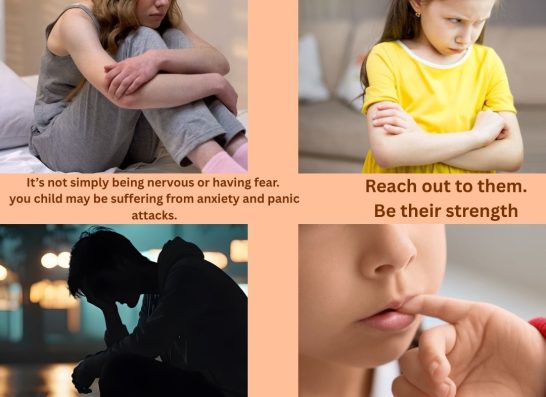
Very small kids will not be able to simply tell you that they are experiencing anxiety. They are going to show it through their actions. Insomnia, nightmares, and stomach pain without any apparent medical reasons should be observed.
Children become overly clingy and have mood swings without having any apparent reason for it. Some kids do not feel like talking about school anymore. Smaller kids become regressive, sucking their thumbs, and constantly asking the same questions regarding their activities at school for reassurance.
Anxiety is something that everyone experiences. The problem arises when it turns into a vicious circle that gets even bigger and disrupts our lives.

What Actually Helps Younger Kids

A few things make a real difference. Start shifting bedtime earlier, gradually, instead of flipping the schedule overnight.
Talk about school casually — don’t turn it into a daily interview. Tell your kid that feeling nervous is normal. Walk the school route together, or meet the teacher ahead of time, so it feels familiar instead of scary.
A consistent goodbye routine helps a lot too. Same words, same hug, every time. It makes drop-off easier.
Spread out the school shopping so the last weekend isn’t chaos. And stay calm yourself — your kid is watching how you handle stress, more than you’d think. Protect their sleep, keep meals steady, and notice the small wins, even on rough days. None of this fixes everything overnight, but together, it builds the predictability anxiety hates.

Why Teen Anxiety Looks So Different

Anxiety in teenagers does not present itself in the same manner as in toddlers. This makes anxiety very hard to detect in adolescents. An anxious adolescent will not exhibit behaviors like clinging, crying, or complaining of a tummy ache. Instead, the adolescent will distance himself or herself from friends and retreat into technology while at the same time having a bad attitude and getting easily annoyed.
The problems that the teenager faces are different as well. They range from academic performance, peer issues, fitting in, and identity formation. The problem is not necessarily due to separation but rather scrutiny, which is constant. Also, due to the fact that the teenager is seeking autonomy, he/she will not be willing to share the problem, despite its obvious presence.

What Teen Anxiety Actually Looks Like

It’s easy to mistake it for normal teenage moodiness. Look for pulling away from friends or things they used to enjoy. Spending way more time alone on their phone. Getting irritable over simple questions. Grades dropping suddenly, or new perfectionism that wasn’t there before. Avoiding school in the morning. Changes in sleep or eating. Being harder on themselves about how they look or how smart they are. Or just seeming flat — less into things they used to care about.
Because teens are so good at hiding it, parents often only notice these signs looking back. So it helps to pay attention during big transitions, like the start of school.

How to Support a Teen Through Anxiety

  • Teens need a different approach than younger kids.
  • They don’t respond well to pressure.
  • They respond better to respect. Ask an open question instead of firing off a list — “How’s school feeling lately?” works better than an interrogation.
  • Let silence sit. Teens often open up on their own, in the car or late at night, not when you’re pushing them to.
  • Do not dismiss their emotions. The response, “Oh, it’s only high school,” may quickly stop them from opening up about their feelings.
  • Show respect for their privacy, but be available to them at all times.
  • Be more concerned with their actions than their words, as teenagers might say, “I am alright” even when they are not.
  • Make therapy an ordinary thing and not an extraordinary step.
  • Handle your stress openly in front of them. Secure their sleep time.
  • And let them have a say in their routines and other choices, since lack of control is one of the leading causes of teen anxiety.

When to ask for Help

At other times, help from the family is not enough.
 
When you see no changes, even after a couple of weeks, teen anxiety counseling can become an opportunity. This is for them to find a place where they will be able to speak without having a parent present.
 
This is the very reason why so many parents try to find such a therapy for their teenager where they can develop coping skills but be in charge of their own actions.
 
Look for signs of withdrawal that persist, persistent changes in sleep or diet, refusal to go to school, worsening of self-criticism, or your feeling that there is something wrong.
 
There is nothing negative about starting too soon.
children these days tend to suffer from high anxiety, especially teens.

How Therapy Helps the Whole Family

Therapy isn’t just someone telling your kid it’ll be fine.
A good therapist helps them figure out what’s actually causing the anxiety and gives them real tools to work through it.
For teens, that often means working on self-talk, social pressure, and perfectionism.
Parents get something out of it too — practical ways to help without accidentally making things worse. And since parent stress and kid anxiety tend to feed off each other, family therapy usually helps everyone.
Once everyone’s got a few new tools, the whole house tends to settle down, not just during that first rough month of school.

Dealing with anxiety in your family — your kid, your teen, or yourself? Book a consultation and let’s work through it together.

10 Signs Anxiety Is Taking Control of Your Life

10 Signs Anxiety Is Taking Control of Your Life

Anxiety is something that everyone deals with. You feel anxious, before a meeting or a test or something big that is going to happen in your life. When you are anxious all the time it can really mess with your thoughts and your feelings and even your physical health. It can also affect the people you care about and your daily routine.

A lot of people do not pay attention to the signs that they’re anxious because they think it is just stress. Over time anxiety can sneak up on you and take over your life before you even realize what is happening.

In this guide we are going to talk about the 10 signs that anxiety is taking over your life. We will explain why these things happen and when you should think about getting help from a professional to deal with your anxiety.

What Is Anxiety?

Anxiety is what your body does when you are stressed or in danger. It helps you get ready to deal with situations.

Anxiety is not good when it:

  • Lasts for a very long time like weeks or months
  • Feels like it is too much to handle
  • Happens for no reason all
  • Gets in the way of your job, school or time with friends and family
  • Stops you from doing things you like to do every day

If you notice anxiety symptoms early it can be easier to make them go away with treatment. Anxiety is something that can be treated and recognizing anxiety symptoms is a part of that. Anxiety symptoms can be different, for people but it is important to pay attention to your body and how you are feeling, especially when it comes to anxiety.

1. You Constantly Worry About Everything

One of the biggest signs of anxiety is excessive worrying.

Instead of worrying about one issue, your mind jumps from one concern to another.

You may worry about:

  • Money
  • Health
  • Family
  • Work
  • Future events
  • Small everyday decisions

Even after solving one problem, another worry quickly replaces it.

2. Your Mind Never Stops Racing

People with anxiety often describe their thoughts as running nonstop.

Your brain may constantly replay:

  • Past conversations
  • Mistakes
  • Worst-case scenarios
  • Future problems
  • “What if” situations

This mental overload makes it difficult to relax or stay focused.

3. You Avoid Situations That Make You Nervous

Avoidance is a common coping strategy for anxiety.

You may start avoiding:

  • Social gatherings
  • Public speaking
  • Phone calls
  • Driving
  • Shopping
  • Crowded places
  • New experiences

Although avoidance brings temporary relief, it often makes anxiety stronger over time.

4. Physical Symptoms Are Becoming Common

Anxiety affects both the mind and body.

Common physical symptoms include:

  • Fast heartbeat
  • Chest tightness
  • Sweating
  • Muscle tension
  • Headaches
  • Stomach discomfort
  • Dizziness
  • Shortness of breath
  • Trembling

Many people first visit a doctor because they believe they have a physical illness before realizing anxiety is the cause.

5. You Have Trouble Sleeping

Poor sleep and anxiety often create a cycle.

You may:

  • Struggle to fall asleep
  • Wake up frequently
  • Feel restless all night
  • Wake up feeling tired
  • Experience racing thoughts before bed

Lack of sleep can increase anxiety the following day.

6. You Find It Hard to Concentrate

Anxiety consumes mental energy.

You may notice:

  • Difficulty focusing
  • Forgetfulness
  • Trouble finishing tasks
  • Poor productivity
  • Difficulty making decisions

Many people describe it as feeling mentally exhausted all day.

7. Small Problems Feel Like Major Crises

We all have days. Sometimes anxiety can make us feel really upset about small things.

For example:

  • Getting an email from your boss
  • Making a mistake
  • Waiting to hear how you did on a test
  • Being a minutes late
  • Getting a phone call, from a number you do not know

Your brain immediately expects the worst possible outcome.

8. You Feel Irritable More Often

Lots of people think anxiety is about being scared but feeling annoyed is really common too. When you are stressed all the time your nervous system is always ready to go. This means you might get:

  • Easily frustrated
  • Short-tempered
  • Emotionally overwhelmed
  • Sensitive to criticism

Anxiety is a problem, can make you feel this way. It can cause trouble with the people you care about, like your family, your friends and the people you work with.

9. You Experience Panic or Sudden Intense Fear

People can get panic attacks. When this happens they might have some symptoms.

These symptoms may include:

  • Rapid heartbeat
  • Difficulty breathing
  • Chest pain
  • Feeling dizzy
  • Shaking
  • Sweating
  • Fear of losing control
  • Feeling detached from reality

Panic attacks are very frightening. Panic attacks can be treated with the right kind of support.

10. Anxiety Is Affecting Your Daily Life

The clearest sign is when anxiety begins controlling your routine.

You may notice:

  • Missing work
  • Declining social invitations
  • Difficulty maintaining relationships
  • Losing confidence
  • Avoiding responsibilities
  • Constant emotional exhaustion

If anxiety regularly interferes with daily life, it is time to seek professional help.

Why Anxiety Shouldn't Be Ignored

Untreated anxiety can affect many areas of life.

It may contribute to:

  • Depression
  • Burnout
  • Relationship difficulties
  • Reduced work performance
  • Sleep disorders
  • Lower quality of life

The good news is that anxiety is highly treatable.

How Anxiety Can Be Managed

Treatment is different, for each person. Some people get better when they try a things together.

There are some things that people find helpful. These include:

  • Behavioural Therapy which is also known as CBT
  • Doing mindfulness practices
  • Using relaxation techniques
  • Doing exercise
  • Having sleep habits
  • Eating nutrition
  • Stress management
  • Medication when recommended by a healthcare provider

A licensed mental health professional can create a treatment plan that fits your needs.

When Should You Seek Professional Help?

If you are dealing with anxiety you should think about talking to a therapist when:

  • Anxiety lasts for weeks.
  • It starts to affect your work or school.
  • You avoid normal daily activities.
  • Your relationships are suffering.
  • You have panic attacks.
  • The things you do to help yourself are not working anymore.

Getting help on is a good idea because it can make things better and stop anxiety from getting worse. Anxiety can be really tough to deal with so getting support, for anxiety is important.

Frequently Asked Questions (FAQs)

What are the first warning signs of anxiety?

Early signs often include constant worrying, trouble sleeping, racing thoughts, muscle tension, irritability, and difficulty concentrating.

Can anxiety cause physical symptoms?

Yes. Anxiety can lead to headaches, stomach problems, rapid heartbeat, dizziness, sweating, chest tightness, and muscle tension.

Can anxiety go away on its own?

Mild anxiety may improve after stressful situations pass. However, persistent anxiety often benefits from professional treatment and healthy coping strategies.

What is the difference between stress and anxiety?

Stress usually has a specific cause and often improves once the situation changes. Anxiety can continue even when there is no immediate threat.

Is therapy effective for anxiety?

Yes. Evidence-based therapies, especially Cognitive Behavioural Therapy (CBT), are highly effective for many anxiety disorders and can help people develop healthier ways to manage anxious thoughts and behaviors.