

Why September Stress Starts in August?
Back-to-school anxiety shows up early. Weeks before the first day, honestly. You’ll see it as soon as backpacks and school supplies start filling the store aisles. Kids feel it before they even know what to call it. And parents feel it too — new schedules, supply lists, wondering how your kid is going to handle everything. It piles up fast. By August, the whole house can feel a little on edge, even if nobody’s actually said the word “anxiety.”
But here comes the good part – it takes time to develop. It does not come in one day. That means you have time to cope with it rather than to panic the week before classes begin. And given that anxiety is experienced differently by children and adolescents, it is good to talk about each group separately, particularly the latter.
Signs of Anxiety in Younger Kids
Very small kids will not be able to simply tell you that they are experiencing anxiety. They are going to show it through their actions. Insomnia, nightmares, and stomach pain without any apparent medical reasons should be observed.
Children become overly clingy and have mood swings without having any apparent reason for it. Some kids do not feel like talking about school anymore. Smaller kids become regressive, sucking their thumbs, and constantly asking the same questions regarding their activities at school for reassurance.
Anxiety is something that everyone experiences. The problem arises when it turns into a vicious circle that gets even bigger and disrupts our lives.
What Actually Helps Younger Kids
A few things make a real difference. Start shifting bedtime earlier, gradually, instead of flipping the schedule overnight.
Talk about school casually — don’t turn it into a daily interview. Tell your kid that feeling nervous is normal. Walk the school route together, or meet the teacher ahead of time, so it feels familiar instead of scary.
A consistent goodbye routine helps a lot too. Same words, same hug, every time. It makes drop-off easier.
Spread out the school shopping so the last weekend isn’t chaos. And stay calm yourself — your kid is watching how you handle stress, more than you’d think. Protect their sleep, keep meals steady, and notice the small wins, even on rough days. None of this fixes everything overnight, but together, it builds the predictability anxiety hates.
Why Teen Anxiety Looks So Different
Anxiety in teenagers does not present itself in the same manner as in toddlers. This makes anxiety very hard to detect in adolescents. An anxious adolescent will not exhibit behaviors like clinging, crying, or complaining of a tummy ache. Instead, the adolescent will distance himself or herself from friends and retreat into technology while at the same time having a bad attitude and getting easily annoyed.
The problems that the teenager faces are different as well. They range from academic performance, peer issues, fitting in, and identity formation. The problem is not necessarily due to separation but rather scrutiny, which is constant. Also, due to the fact that the teenager is seeking autonomy, he/she will not be willing to share the problem, despite its obvious presence.
What Teen Anxiety Actually Looks Like
It’s easy to mistake it for normal teenage moodiness. Look for pulling away from friends or things they used to enjoy. Spending way more time alone on their phone. Getting irritable over simple questions. Grades dropping suddenly, or new perfectionism that wasn’t there before. Avoiding school in the morning. Changes in sleep or eating. Being harder on themselves about how they look or how smart they are. Or just seeming flat — less into things they used to care about.
Because teens are so good at hiding it, parents often only notice these signs looking back. So it helps to pay attention during big transitions, like the start of school.
How to Support a Teen Through Anxiety
- Teens need a different approach than younger kids.
- They don’t respond well to pressure.
- They respond better to respect. Ask an open question instead of firing off a list — “How’s school feeling lately?” works better than an interrogation.
- Let silence sit. Teens often open up on their own, in the car or late at night, not when you’re pushing them to.
- Do not dismiss their emotions. The response, “Oh, it’s only high school,” may quickly stop them from opening up about their feelings.
- Show respect for their privacy, but be available to them at all times.
- Be more concerned with their actions than their words, as teenagers might say, “I am alright” even when they are not.
- Make therapy an ordinary thing and not an extraordinary step.
- Handle your stress openly in front of them. Secure their sleep time.
- And let them have a say in their routines and other choices, since lack of control is one of the leading causes of teen anxiety.
When to ask for Help
At other times, help from the family is not enough.
When you see no changes, even after a couple of weeks, teen anxiety counseling can become an opportunity. This is for them to find a place where they will be able to speak without having a parent present.
This is the very reason why so many parents try to find such a therapy for their teenager where they can develop coping skills but be in charge of their own actions.
Look for signs of withdrawal that persist, persistent changes in sleep or diet, refusal to go to school, worsening of self-criticism, or your feeling that there is something wrong.
There is nothing negative about starting too soon.
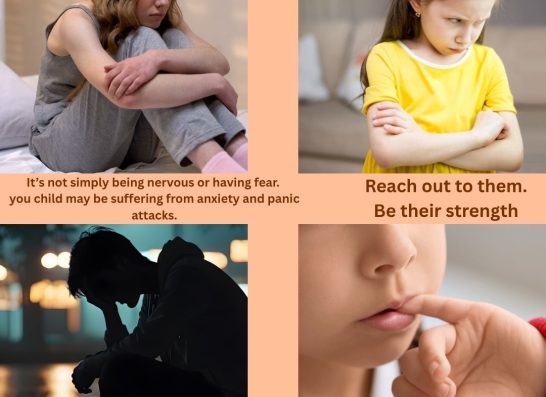
How Therapy Helps the Whole Family
Therapy isn’t just someone telling your kid it’ll be fine.
A good therapist helps them figure out what’s actually causing the anxiety and gives them real tools to work through it.
For teens, that often means working on self-talk, social pressure, and perfectionism.
Parents get something out of it too — practical ways to help without accidentally making things worse. And since parent stress and kid anxiety tend to feed off each other, family therapy usually helps everyone.
Once everyone’s got a few new tools, the whole house tends to settle down, not just during that first rough month of school.