

Childhood trauma can impact a person over a long period of time. It may even mold the way in which the brain reacts to stress in an adult’s life. This is why there are many cases where people who suffer from anxiety have had some traumatic childhood experience.
What Is Childhood Trauma?
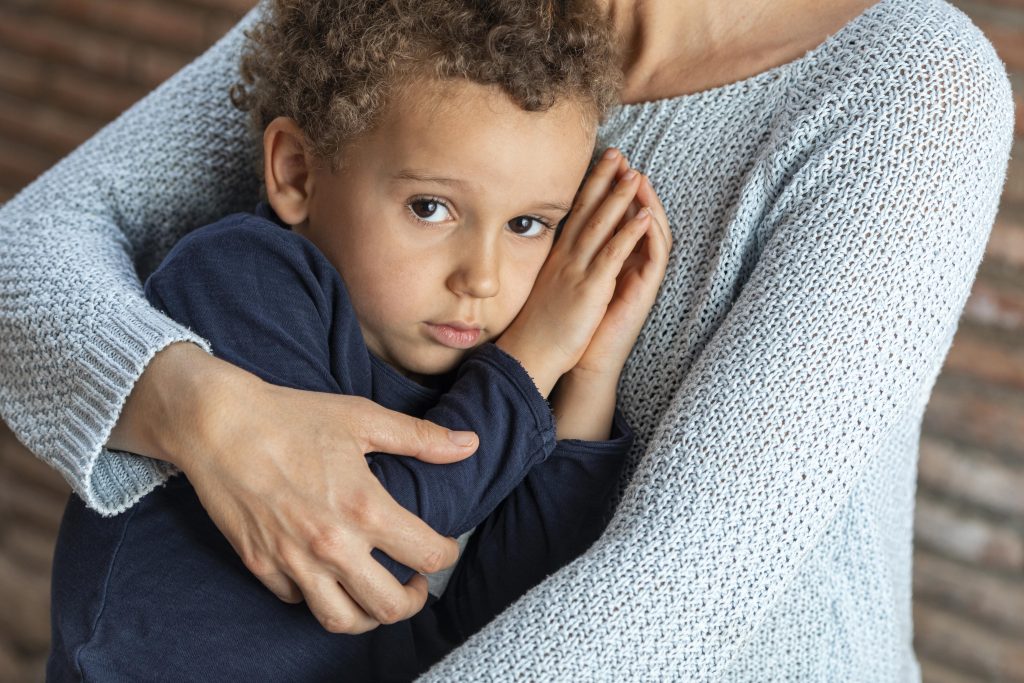
Childhood trauma is considered to be a very stressful and terrifying experience during childhood.
Examples of such experience include cases of physical and sexual abuse, parental death, separation from parents, and living under constant stress.
As a child’s brain is undergoing growth, such experiences may lead to serious emotional scars. In consequence, the child becomes an adult who feels threatened under safe circumstances.
The Impact of Childhood Trauma on the Brain
To start with, the brain is taught to respond to threat during the early years of life. This means that if someone grew up in fear, their brain stays constantly “alert.”
In later years, this causes excessive thinking, fear, and worry. Moreover, a person’s body reacts to stress even in situations where there is actually nothing to be afraid of.
Thus, childhood trauma can lead to anxiety disorders.
Connection between childhood trauma and anxiety
The mind continues to remember the trauma, even after it happens. In consequence, one ends up feeling afraid or nervous without knowing what is going on.
Further, many adults continue suffering from continuous worry, unease, or fear of being out of control. All this comes back directly from their previous trauma.
It will, ultimately, develop into full-blown anxiety that interferes with functioning, relationships, and sleep.
Another thing to take note of is that many suffer from symptoms of constant tension of the body, much like in chronic stress and anxiety.
Common Signs in Adulthood
The symptoms of a traumatic experience may manifest in a variety of ways because the experience impacts both mental and physical aspects of the individual.
These include:
* Experiencing general nervousness
* Irritability
* Difficulty sleeping
* Being afraid to make a mistake
* Avoiding certain individuals and situations
* Unexplained fear
* Irritability
* Difficulty sleeping
* Being afraid to make a mistake
* Avoiding certain individuals and situations
* Unexplained fear
Apart from the above, other individuals may experience heart palpitations and dizziness.
These signs can sometimes look like panic attack symptoms, especially when fear becomes very strong and sudden.
Why Anxiety Commonly Follows After A Childhood Trauma
First, the brain wants to protect the individual. For this reason, it recognizes dangers from before.
Nonetheless, sometimes, it perceives a non-dangerous situation as dangerous, therefore eliciting fear responses.
Second, emotions experienced during childhood remain buried within the individual’s psyche. Hence, little stress is perceived as significant.
Finally, without any help, the trauma continues into adult life.
Emotional Triggers in Daily Life
Some everyday occurrences may act as a trigger for buried memories. This occurs in cases where there is noise or fights.
Moreover, criticisms and rejections become painful to deal with. Therefore, a strong reaction is expected from the victim.
Hence, it is important to determine these triggers.
Healing Is Possible
Though childhood trauma can cause anxiety, healing is still possible since the brain can actually adapt and heal.
For starters, therapy can be helpful. Also, coping skills can be learned to decrease the response to fear triggers.
Breathing techniques and grounding are other effective ways to calm down instantly.
Ultimately, this will make the brain feel safer.
There have been many cases where treatment for anxiety disorder has helped.
Easy Steps to Begin the Process of Healing
It is essential to take easy steps to recover from depression, and some of those easy steps include:
* Telling your thoughts to someone you trust
* Writing your thoughts down in a journal
* Taking deep breaths slowly
* Sleeping at fixed hours of the day
* Not getting stressed out if you can help it.
* Telling your thoughts to someone you trust
* Writing your thoughts down in a journal
* Taking deep breaths slowly
* Sleeping at fixed hours of the day
* Not getting stressed out if you can help it.
When to seek help?
Whenever anxiety interferes with everyday living, seeking assistance becomes very necessary. For instance, should you find it difficult to sleep, work, or feel safe, you could use some help. Moreover, in case of fear or frequent episodes, you might be advised by your therapist or doctor.
Frequently asked questions
Can childhood trauma cause anxiety in adulthood?
Yes. Childhood trauma can change how the brain reacts to stress. Therefore, it can lead to long-term anxiety.
What are the signs of unresolved trauma in adults?
Common signs include fear, overthinking, emotional sensitivity, and trouble sleeping.
Why do I feel anxious for no reason?
Sometimes, the brain reacts to old trauma memories. As a result, anxiety can appear without a clear cause.
Can childhood trauma lead to panic attacks?
Yes. Strong emotional triggers can lead to sudden fear episodes that look like panic attacks.
How do I heal anxiety caused due to trauma?
Healing can include therapy, self-care, and coping tools. Over time, support helps reduce symptoms.
What is the best treatment for trauma-related anxiety?
The best approach often includes therapy, lifestyle changes, and professional anxiety treatment support.
Conclusion
A childhood trauma can have an immense impact on mental well-being as an adult. This does not mean that it will determine your future.
Since the brain can learn from experience and change, recovery is always possible. With some effort and attention, anxiety can be diminished with time.
Above all, the seemingly little things done daily can amount to great emotional recovery.