
Depression Therapy: A Helpful Step Toward Better Mental Health

Depression Therapy
Depression can affect your thoughts and emotions. It can also impact your habits and your relationships. Simple tasks may feel difficult. You might feel tired and disconnected from others. You do not have to face these feelings. Depression therapy offers a space. In this space you can explore your emotions. You can also learn ways to deal with them.

What Is Depression Therapy?

Depression therapy is a kind of health support. It helps people manage symptoms of depression. During therapy sessions, a trained therapist listens to your concerns. The therapist helps you look into the reasons behind your feelings. This kind of therapy gives you a place to reflect and grow.
Therapy can help you see your thought patterns. It can also help you turn these patterns into ways of thinking. Over time many people gain control over their emotions. They also gain confidence in themselves.

How Does Depression Therapy Help?

Depression can change the way you think. It can also change the way you respond to things. Therapy aims to help you understand these changes. It helps you make shifts.
Some of the benefits of depression therapy include:
  • First, understanding your emotions and learning what causes them.
  • In addition, developing better ways to handle difficult situations.
  • Moreover, getting to know yourself better and building more confidence.
  • Furthermore, learning how to manage stress and negative thoughts.
  • Finally, improving communication and building stronger relationships.
Therapy also gives you a space to share your feelings. You don’t have to worry about being judged. This support can make you feel heard. It can make you feel understood.

Different Approaches Used in Depression Therapy

Therapists choose methods based on your needs and life experiences. For example, some people find it helpful to talk about their problems and share their feelings. However, others may need support to rethink how they see situations and develop healthier thought patterns.
In addition, therapists use different approaches to help people manage emotions and improve their well-being. Some common therapy approaches include:
Common therapy approaches include:
  • Behavioral Therapy (CBT):
  • Talk Therapy:
  • Supportive Therapy:
Your therapist can build a treatment plan. It will match your goals. It will also match what makes you feel comfortable

When Should You Consider Depression Therapy?

Feeling sad sometimes is normal. But if you feel sad all the time lose interest in things have changes in sleep feel low on energy or struggle with tasks it may be time to get help.
If these feelings last and start affecting your life depression therapy can help. It can help you move forward in a way.

Take the Step Toward Healing

Getting help is a step toward feeling better. When you choose to seek support depression therapy can help you understand your feelings in a way. It gives you tools to deal with times and helps you grow into a more positive mindset.
With guidance and support you can learn how to manage depression effectively. Over time you will start to build a balanced life. Therapy can strengthen your well-being and help you feel more confident in yourself.
So reaching out to a trained therapist is a move toward healing. You don’t have to face this. Start your journey today. Take that first step, toward a healthier and happier you.

FAQs About Depression Therapy

What is depression therapy?

Depression therapy is a type of mental health support that helps people understand their emotions, manage symptoms, and develop healthier coping skills.

Depression therapy can help you manage negative thoughts, understand your feelings, improve confidence, and handle daily challenges in a healthier way.

You may consider therapy if you experience ongoing sadness, low energy, loss of interest, stress, or difficulty managing daily activities.

During a session, a therapist listens to your concerns, helps you explore your feelings, and provides guidance to develop positive coping strategies.

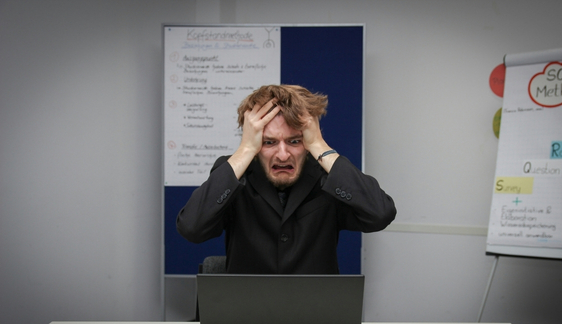
Effective Anger Management Techniques to Control Emotions

anger-management

If you feel very angry, it can be difficult to control. But, anger management can help you to understand and control your feelings. With anger management you can control your emotions and respond more effectively when in difficult situations.

Feeling angry is not abnormal. When it is overwhelming, however, it might interfere with your health, relationships, and work. Effective anger management enables you to understand the source of your anger and develop positive patterns of managing the emotion, resulting in a more manageable daily life.

Importance of anger control techniques

Anger can be a problem if it is happening too often or too hard to control. It might lead to stress, anger, and conflicts with others. That’s why it is important to learn how to manage anger.

Good anger management, for example, can help you learn what triggers your anger. It can also help you learn how to express your feelings without lashing out at people.

Common causes of anger

Many things can trigger anger, such as:

  • Work pressure and stress
  • Family or relationship problems
  • Feeling ignored or misunderstood
  • Tiredness and lack of sleep
  • Difficult life situations

Knowing your triggers is the first step toward better anger management.

anger-manage

Anger control techniques to manage strong feelings

Utilization of effective Anger control strategies may help you remain relaxed and respond to your emotions positively. This strategy is not difficult and can be applied in your daily routine.

Perform Deep Breathing

Deep breathing is one of the simplest Anger control strategies. Performing deep breaths calms down your body and provides you with enough time to think about your actions.

Pause Before Reacting

If you feel that you are angry, take a pause before responding. This small strategy will help you avoid conflicts and improve anger control.

Express Your Emotions in Words

The expression of your emotions will help to solve many issues. Do not react emotionally; rather try to explain your thoughts respectfully.

Benefits of practicing anger management

Regular anger management practice can improve emotional health. It helps you:

  • Stay calm during stressful moments
  • Control negative reactions
  • Improve relationships
  • Build self-confidence
  • Think more clearly
More helpful anger control techniques

Different Anger control techniques work for different people. Writing your feelings, practicing relaxation, and doing enjoyable activities can reduce stress.

Also, positive thinking and self-awareness can help you manage difficult emotions. By using these Anger control techniques regularly, you can develop better control over your reactions.

Common questions about anger management techniques

What are the best Anger control techniques for beginners?

Deep breathing, taking a short break, staying calm, and thinking before reacting are useful Anger control techniques for beginners.

Yes, most Anger control techniques are simple and can be practiced in daily life.

Healthy sleep, exercise, relaxation activities, and positive thinking can support better anger control.

No, anger management does not remove anger. It helps you understand and express anger in a healthier way.

Uncontrolled anger can create misunderstandings and conflicts, while anger management helps improve communication and trust.

Are You Emotionally Disconnected From Your Partner? How Couples Therapy Can Help Rebuild Connection

Couples Therapy
Do you feel away from your partner even when you are together? Maybe you talk less argue more. Stop sharing your feelings. Over time this can make a relationship feel lonely. However feeling disconnected does not always mean the relationship is over. Couples therapy can help partners understand each other and build a connection.

What Does Emotional Disconnection Mean?

Emotional disconnection means you no longer feel close to your partner. For example you may spend time together. Still feel alone. You may also stop talking about your day your worries or your needs.
Sometimes stress, work, family problems or repeated arguments can create this distance. As a result couples may slowly stop listening to each other.

Signs You May Feel Disconnected

There are some signs to watch for. For example:
  • Conversations between you both have become less frequent. Even small issues can turn into arguments.
  • Important topics are often left unspoken.
  • Sharing personal thoughts and feelings feels harder now.
  • At times, you may feel that your partner does not understand you.
  • You may choose to spend more time by yourself.
  • The warmth and closeness you once shared may feel distant.
  • If these signs continue it may help to talk with a professional.

How Couples Therapy Can Help

Couples therapy gives both partners a place to talk. First a therapist helps each person share their thoughts and feelings. Then the therapist helps both partners listen without blaming each other.
Also couples can learn ways to talk. Of shouting or staying quiet they can learn to speak with care. In addition they can learn how to handle conflict in a way.
Therapy can also help couples understand what is behind their problems. Sometimes a small argument may hide a need, such as feeling loved heard or respected.

Rebuilding Your Connection

Rebuilding a relationship takes time. However small steps can make a difference. Talk openly. Listen carefully. Spend quality time. Show kindness. Importantly try to understand your partners feelings.
With the support couples can work through difficult moments and create a closer relationship. Therefore if you feel emotionally distant, from your partner couples therapy may give you both a chance to reconnect and move forward together.

Frequently Asked Questions About Couples Therapy

What is couples therapy?

Couples therapy helps partners talk about relationship problems in a safe space. It can help improve communication, trust, and emotional connection.

Couples may consider therapy when they have frequent arguments, poor communication, trust issues, or feel emotionally distant from each other.

Yes. A therapist can help partners listen to each other, express their feelings clearly, and learn healthier ways to handle disagreements.

It is often helpful for both partners to join. However, one partner can also seek support when the other person is not ready.